Dear hiring manager,
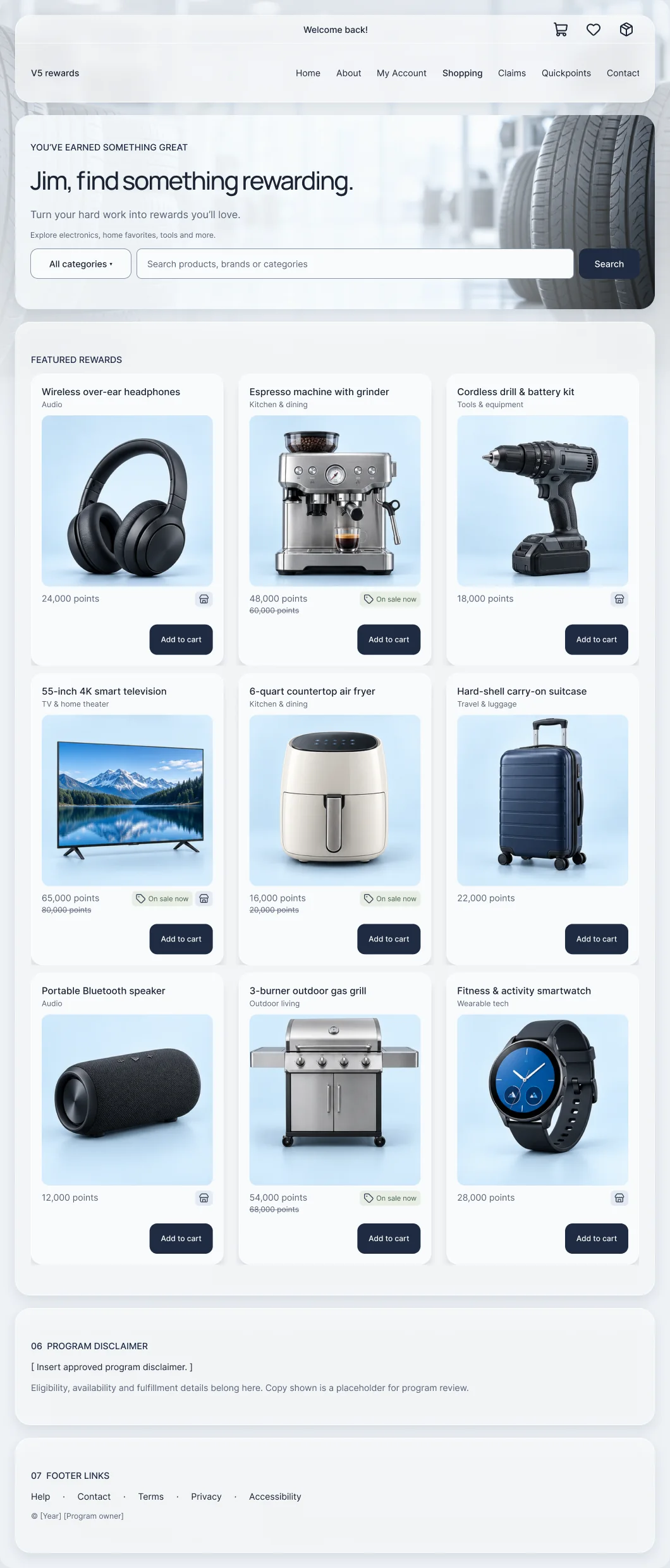

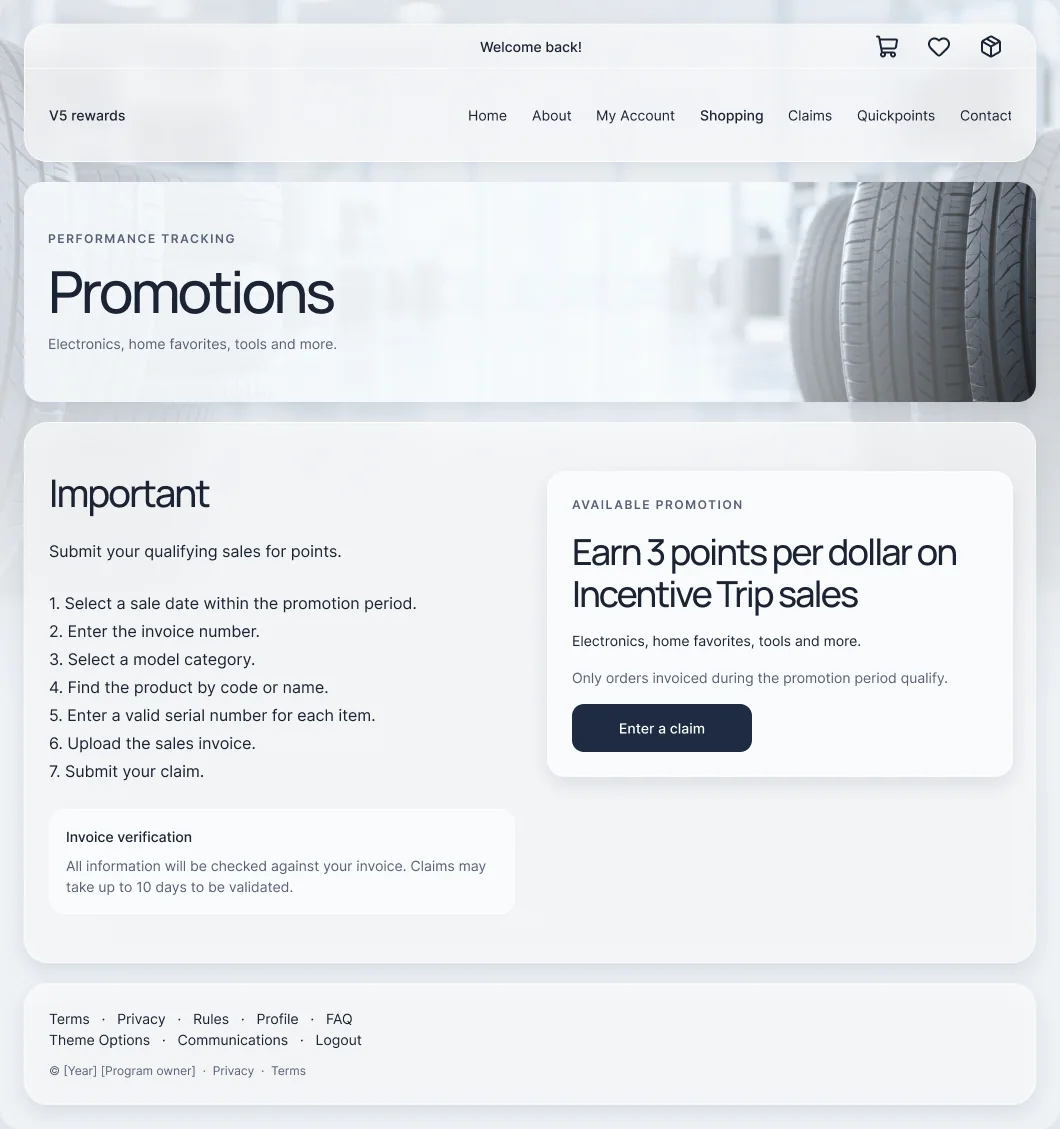

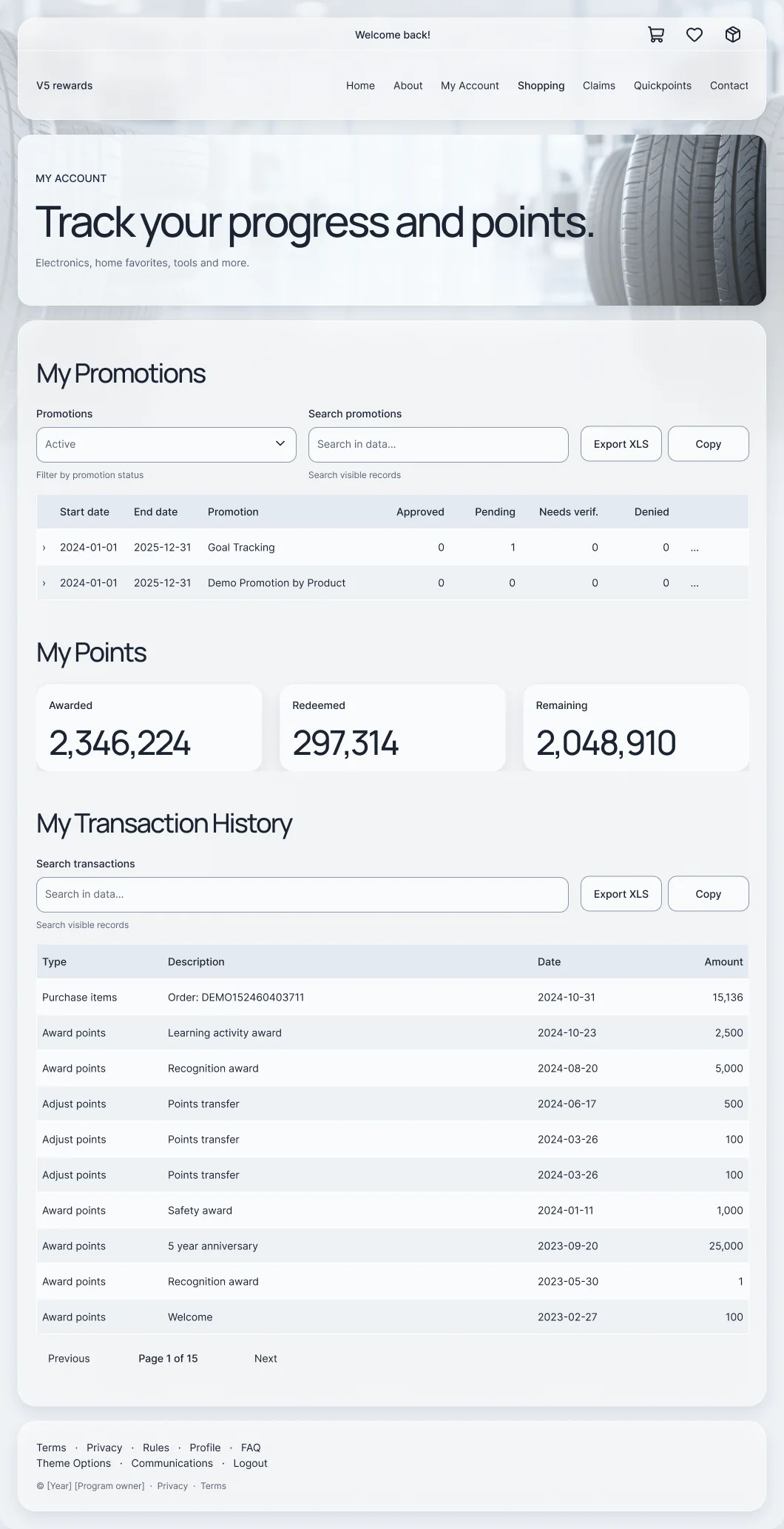
V5 designs, reconstructed from the shipped system and anonymized.
150+ live sites, moved to mobile. None taken offline.
I led a brownfield modernization where every change touched a live, revenue-bearing site.
01 · The stakesParticipants who couldn’t use their phones
More than 150 branded program sites, and on some of them participants couldn’t use a phone at all. Every fix meant changing a live, revenue-bearing site.
02 · The sequenceLocked-out programs first
I re-ranked the rollout by who was locked out rather than by revenue. The biggest account was stable, so it waited, and we explained that decision instead of burying it.
03 · The guardrailsSafety built into the system
Brand variables were editable and the config layer was locked. Clients previewed on a demo site before production, so two designers new to the platform could work on live sites safely.

What changed
All 150+ sites were responsive within 12 months, and the runbook cut active work per migration from 24 to 7.5 hours in a timed subset.
Ticket figures from Azure DevOps (TFS) reports.
Same catalog, before and after
The legacy catalog next to the V5 design. Both are anonymized.
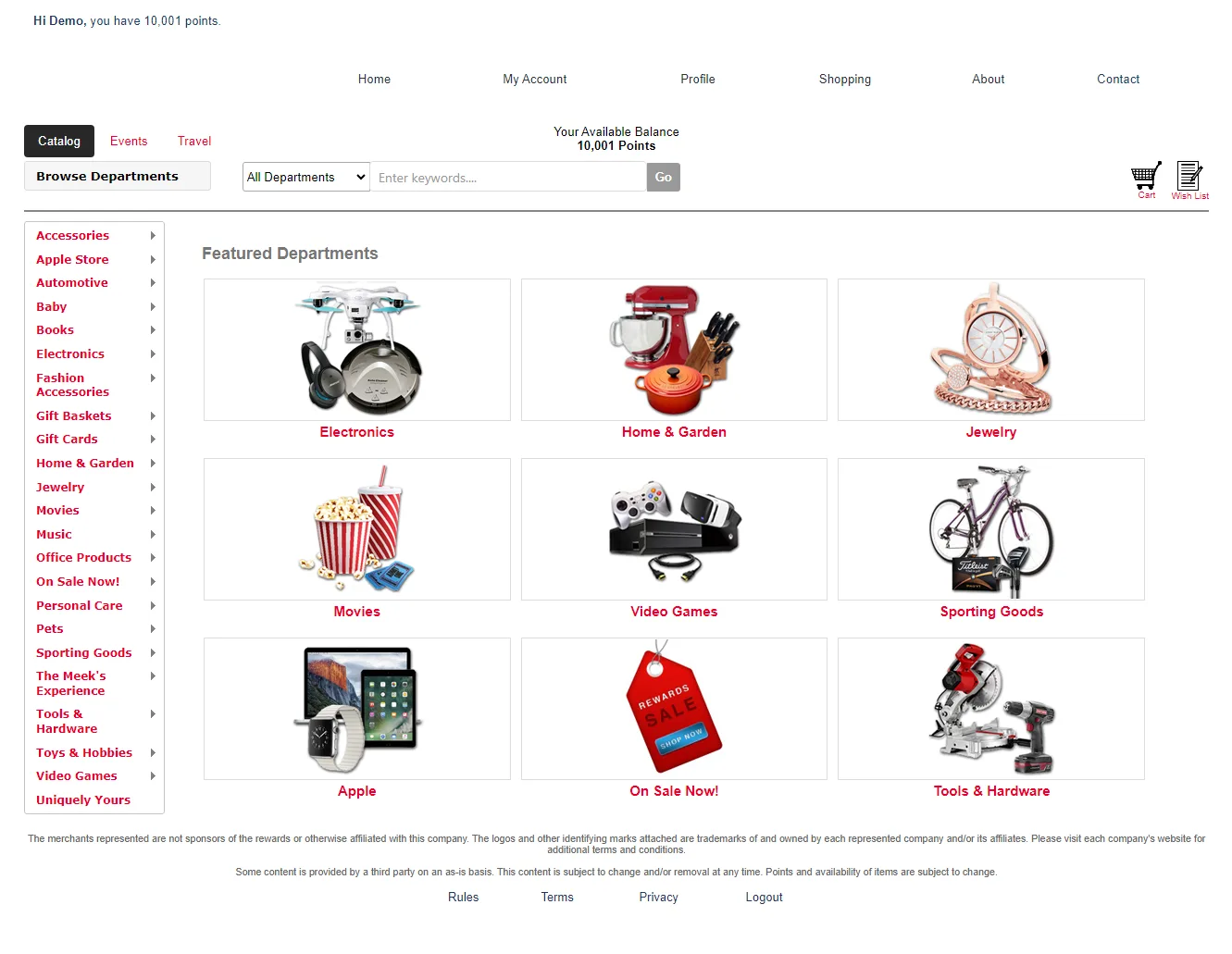
Before: legacy catalog, anonymized. After: V5 designs, reconstructed from the shipped system and anonymized.
Three more ways I’ve made hard things easier
Claims people can trust, a catalog people can shop with confidence, and a design system that changes once and keeps every brand. All anonymized enterprise work.
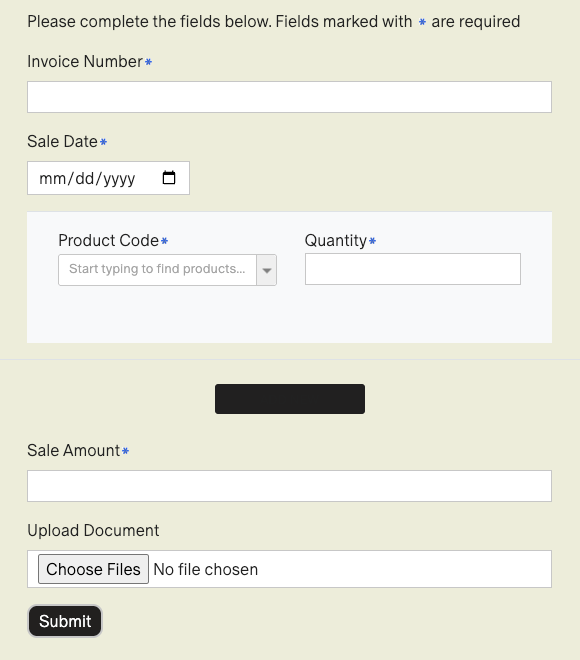
From a qualifying sale to a claim someone can trust
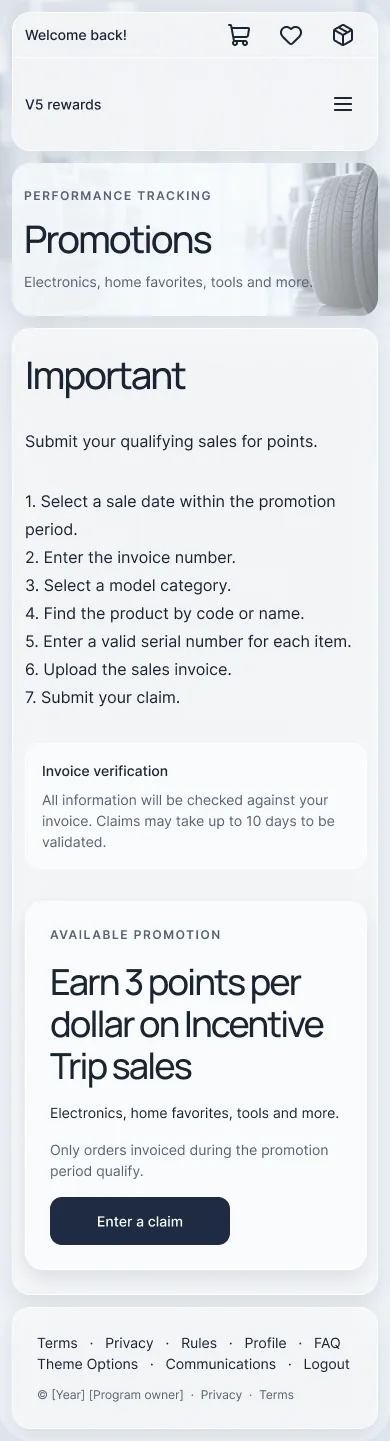
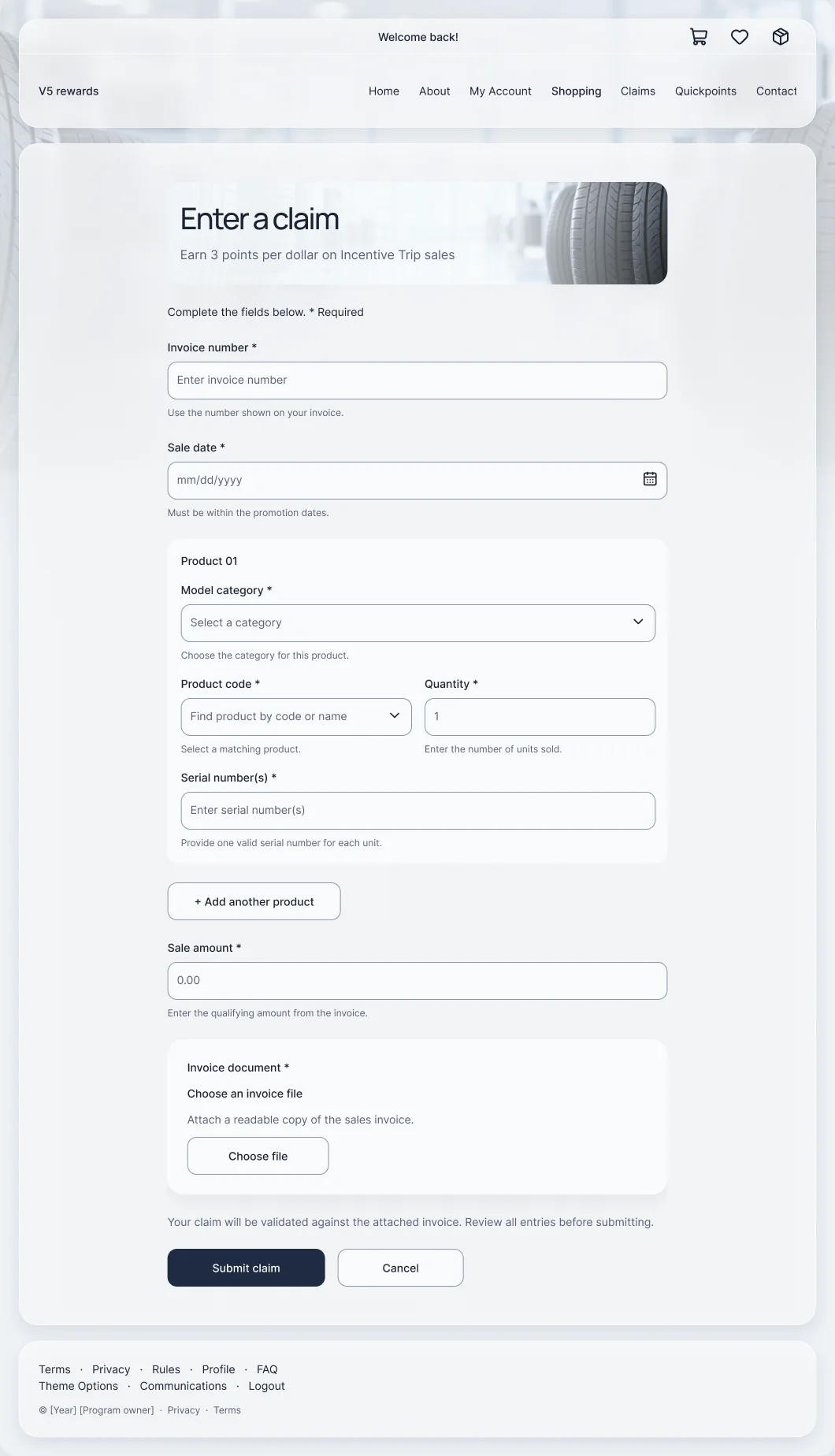
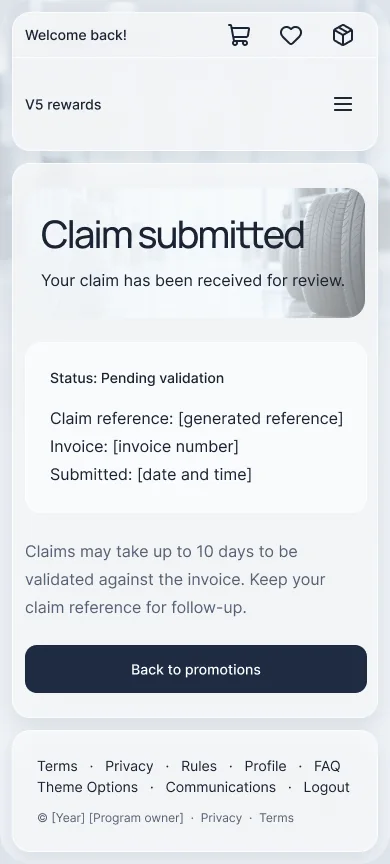
I built the claims frontend, then audited it: settle eligibility before the form, keep invoice, product and proof together, and show status after Submit.
3 screens rebuilt in the V5 system: promotion, claim, confirmation
Read the case study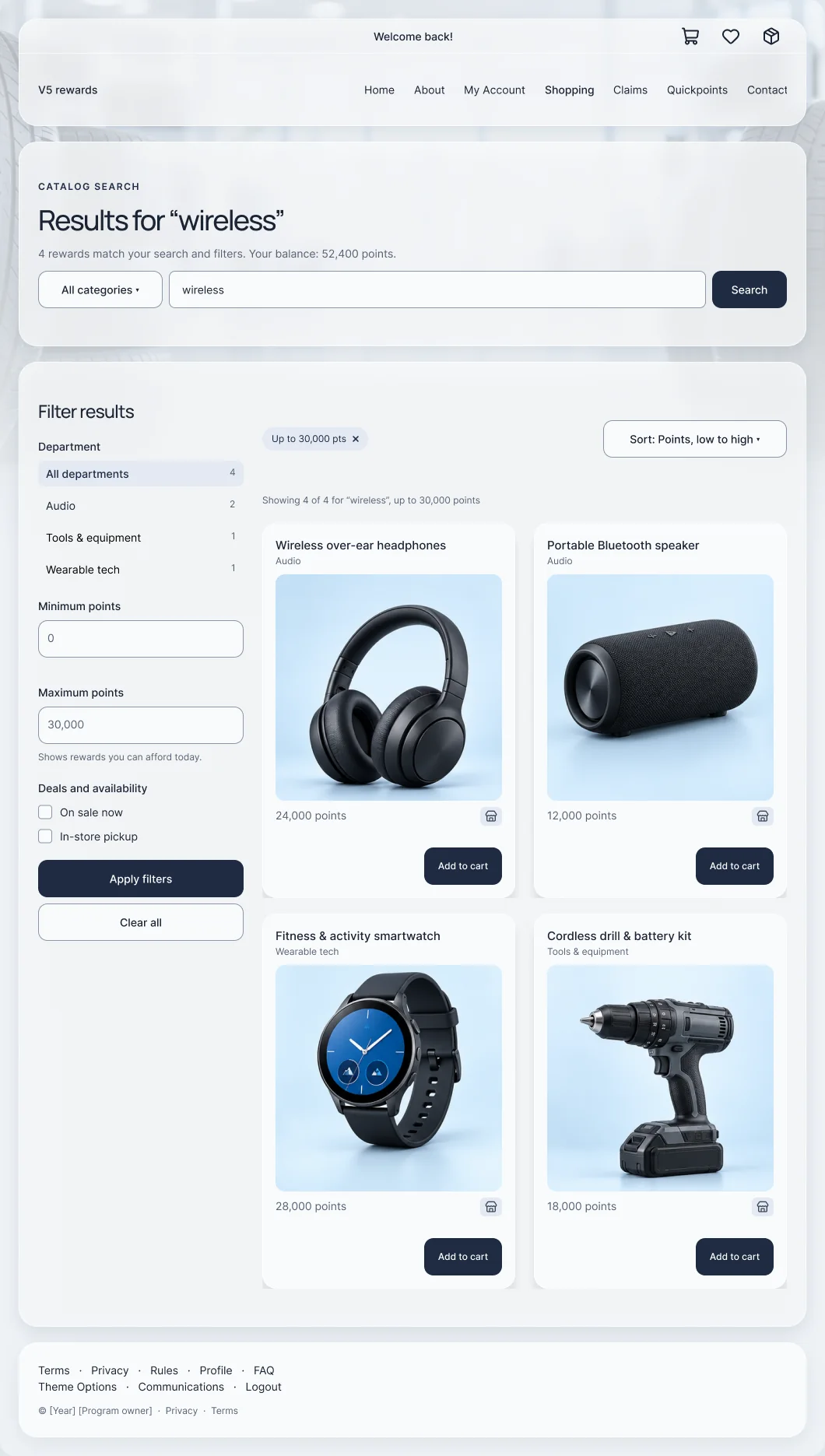
From finding a reward to checking out, with fewer reasons to hesitate
Search that keeps its context, filters that match how people choose, and the points cost next to every action, carried through cart and checkout on desktop and phone.
4 steps redesigned: search, item, cart, checkout
Read the case studyChange the system once. Keep every brand.
A shared styling layer for a multi-brand catalog. Common changes now reach applicable programs at once, while fonts, color and hero treatments stay program-specific.
2025 in production, validated in batches
Read the case studySee all work, filtered by type →
Design in the terms your engineers build in
Tokens, components and states, in React and TypeScript, with QA and a production check before I call it done. I’m not a backend engineer, and I won’t pretend to be.
Where I’ll help most, and where I won’t
The short version, so you can decide quickly whether a call is worth your time.
A strong fit
- Senior product or UX design roles, or Lead and Staff roles when the scope fits
- Complex B2B and enterprise products: commerce and loyalty, claims, eligibility, checkout and other rules-heavy workflows
- Live products that need modernizing without breaking what customers rely on
- Design systems, tokens and multi-brand theming
- Teams where design works closely with engineering, from prototype through design QA
- Remote across the US, or hybrid in Atlanta
Probably not a fit
- Roles that treat UX as visual polish rather than product work
- Unpaid spec work. A portfolio walkthrough or a short, scoped exercise is fine.
- Junior or mid-level roles, or senior titles with mid-level scope and pay
- Positions where I would own backend engineering
- Full-time on-site roles outside the Atlanta area
Questions
The ones recruiters ask most. For anything else, ask below.
Where are you based, and how do you work?
Atlanta, GA. I work remotely across US time zones, or hybrid in Atlanta.
What level are you looking for?
Senior Product Designer or Senior UX Designer. I’m also open to Lead or Staff roles where the scope matches: owning ambiguous problems end to end and raising the quality bar for the team.
Do you code?
I prototype in React and TypeScript, design in tokens, components and states, and review implementation during design QA. I’m not a backend engineer, and I don’t position myself as one.
Have you worked in existing, legacy products?
Most of my work is in live products. The featured case moved more than 150 branded sites to mobile without taking any of them offline.
Will you do a design exercise?
Yes, if it’s scoped and time-boxed. I’d usually suggest a walkthrough of a case study instead: it shows how I reason about real constraints, and it respects both our time.
What compensation are you targeting?
Senior-level pay for the US remote market. I’m happy to share my range on the first call. Confirming alignment early saves everyone time.